
Q&A: Denizet-Lewis on the Dynamics of Being Human
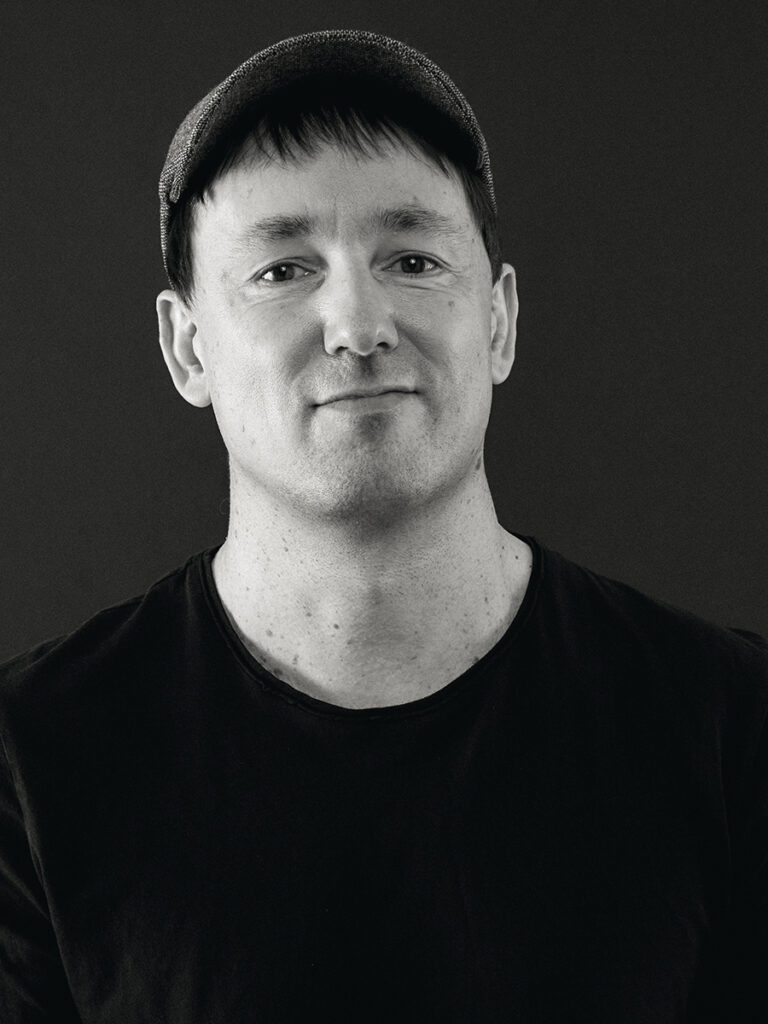
Benoit Denizet-Lewis wanted to know what happens when someone tries to alter some elemental part of who they are. What does the process feel like to them? How do their friends and family react? What are the social repercussions?
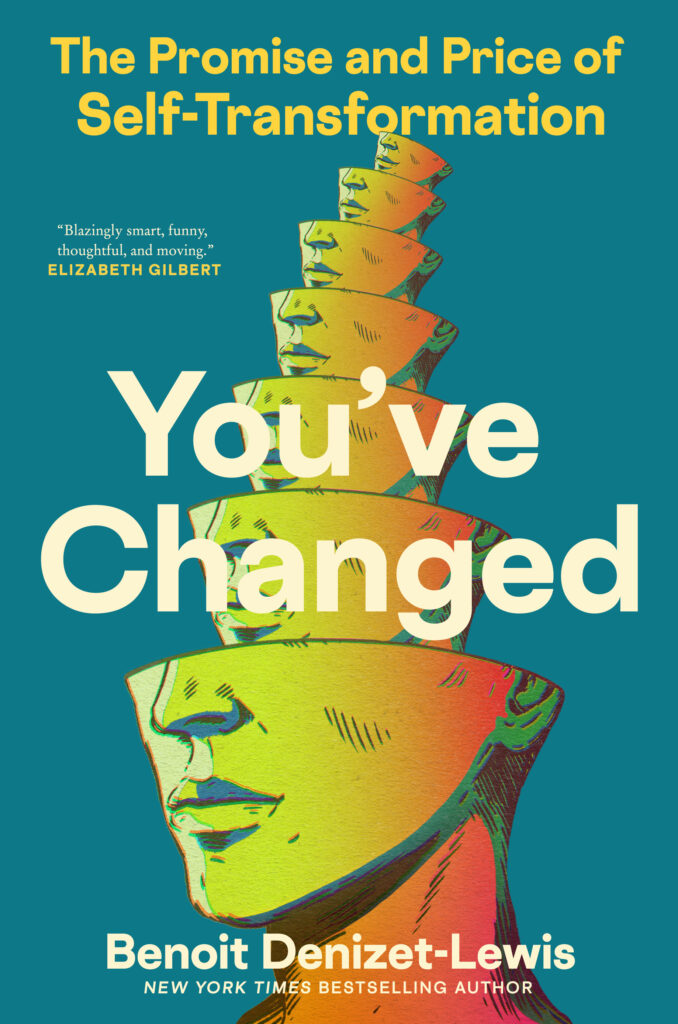
The result is his latest book,You’ve Changed: The Promise and Price of Self-Transformation, released on April 28 from HarperCollins. OnThursday, May 7, 6:30-8:30 p.m., at Papercuts in Jamaica Plain, the Writing, Literature and Publishing Associate Professor and contributing writer for The New York Times Magazine will join writer, cultural critic, and WLP Distinguished Professor Jabari Asim in conversation about the book.
Emerson Today talked to Denizet-Lewis about how he came to write about change, what he learned about the possibilities and pitfalls of attempting personal transformation, and how his Emerson students helped him with sources, ideas, and inspiration. The interview has been edited for length and clarity.
Q: I’ve read a number of essays and excerpts from the book, and it sounds like you’ve gone on one or two change journeys yourself. Was that the motivation for [writing] it?
Benoit Denizet-Lewis: No, I think it started how much of what I write starts, as a kind of intellectual interest that then I realize as I’m doing it is also connected to myself. So, I wrote about addiction early in my career… and I sort of knew I struggled with that, so that was both intellectual and then also had a personal element.
Then [with] this book… we’re seeing the most transformation and identity changes since the 1970s, [which was] another era of social change and political disillusionment. I was really interested in writing about this last decade, and also writing about what it feels like to feel like a new or changed person, then also how the rest of us interpret that and celebrate it or dismiss it or reject it. I’m both interested in the internal experience of change, and then the social ways that we look at it.
Then, connected to that was also this personal element, which was [that] as I was writing the book, I realized pretty clearly that I had been trying to change for a long time and got curious about trying to understand that process in myself. As I was doing a lot of the reporting for the book, I would go to change workshops, so it became this kind of dual thing where I was both reporting … and then also experiencing and trying to understand change in myself and how much control I had over how I changed, and all kinds of mysterious ways that we change, then we later create some narrative about why it happened.
But the truth is that we’re actually not very good at fully understanding how we change, and we are often blind to changes that we’re going through, so we have to take a little bit of skepticism towards people’s retrospective sense of how they changed.
Q: You’ve said in one of your essays that we’re almost “comically unreliable narrators.” We think we’re changing and we’re not, and then we don’t realize it when we are. Did you discover some ways in which you changed in this process that you had no idea?
BD-L: Well, I think it hits us all of a sudden. For me, I wrote an essay about this, about realizing that I’d become my father. And I mean, it wasn’t like I just woke up one day and realized it, it sort of built on itself, but that was not something that I had intended in any way.
It sort of goes to show that we like to think that we’re driving the bus of our transformation – and in some ways we can; we can have goals and try techniques and things like that – but there’s a lot of mystery to this, too. We change in relationship to other people. We change for other people – there’s an idea that that kind of change is necessarily second-rate, but I think we are in community with other people. We choose our possibilities. We choose our identities based on what’s on the identity menu. We choose identities to feel connected to other people. A lot of the seemingly interior changes that we make are actually deeply embedded in community, and there’s a mystery to it.
So, I turned into my dad. I don’t know how that happened. I’m not the first person to struggle with that realization, but there were other ways that I wanted to change. I wanted to be a much better friend to my friends, and I wanted to be much more giving and much more vulnerable and real in my relationships. And I made that sort of a goal – not like that was going to happen overnight, but a long-term goal to really strengthen these relationships that I had for many years taken for granted and not been very honest in always. And I think in many ways I have changed. My close friends tell me that I am much more present, so in that way, I think in some ways, I’ve changed in the ways that I wanted to and become closer to the people in my life.
Q: Did you do any research into the history of change and when humans first started wanting to change themselves?
BD-L: I mean, not a ton. Humans have wanted to change for a long time – forever, really – but the distinction is, with some exceptions, essentially this idea that we would change for some inner truth, we would change for ourselves. Buddhism is sort of an exception here, but the idea that we would change for ourselves is a fairly modern phenomenon.
We think when this started to really pop up, mid-20th century and on, we see identity formation coming into being; the word ‘identity’ starting to be used and understood in the way we understand it now. Self-help, inner work takes off in the ’70s. For most of human history, we changed for our church, we changed for our family, we changed for the honor of our group, we changed for God, so we changed for these other things outside of us.
Q: How did you source this book? Where did you go looking for these people?
BD-L: A combination of things. One person that I write about in the book [came via] Emerson students who knew I was working on the book. This was really early. Two students, when they heard about the book I was writing, were like, ‘You have to talk to our friend who had undergone a really unusual, intense identity change after a life-altering psychedelic experience.’ So I did end up talking to him, and he’s in the book. That was a great example of me talking about something and my students engaging with it and saying, ‘Hey, we have an idea for you.’ And that’s pretty cool. I mean, there’s that sort of direct way that students have helped.
And then in the last few years, I’ve taught this interdisciplinary course on transformation and identity change, and students have given me many ideas and serve as inspiration for that, and then also have talked about their own experiences with this. It’s been this thing that I’ve been teaching and engaging with students in the classroom on these topics while I’m doing the reporting outside, which has been very fascinating and fulfilling. My students are always challenging me to think deeper or differently, or they surprise me with what they want to say about this stuff.
And then the other way is just putting out words to my networks, just doing reporting, existing in the world. I was at Esalen [a retreat center in Big Sur, California], and there was a woman in the baths there who worked at a transitional home for [men serving life sentences] who get paroled. She’s like, ‘You want to talk about change, you should come.’ And that becomes a chapter in the book, writing about these men in prison who committed murder and literally have to prove that they’re transformed in order to be released.
So sort of a combination of friends, students, people I meet in the world suggesting things, and then my own kind of research looking for people as well.
Q: You said earlier you were interested in people’s feelings about how they had changed. Were they across the board positive?
BD-L: No, they were not. I’m interested in the destabilizing nature of change, people doubting their own changes, people being scared to try. We see a lot of fear come up with psychedelics. ‘What if the mushrooms tell me I’m living the wrong life? What if I know that, and then I decide not to do anything about it? What is going to be revealed to me?’
Doubt is all over change, but we don’t talk about doubt because we need to get buy-in from other people that our change is real. If we talked about how much doubt we had, people would be like, ‘Well, are you sure? It sounds like you’re really doubting,’ so we have these narratives of certainty around these changes. We have these narratives of like, ‘Yes, I’m absolutely sure this is what I am. I am this now. I’ve transformed.’ And that tends to be a lot of baloney in many cases.
I think that doubt is such a fundamental part of all this. Will the change be real? Will other people accept it? Will I then backslide and decide that that was wrong? There’s so much doubt around this, but we can’t talk about it because doubt, especially with politicized identity changes, can be used by the other side as evidence that it’s not real. I became really interested in the doubts and the fears that people had through their various change processes.
Q: Did you talk to anyone who was actively trying not to change?
BD-L: No, but I will say that we are all – I can’t say everyone, but many people, most people – are both interested in changing, desperate to change in some ways, and then absolutely terrified of change at the same time, so there’s this push and pull. We often think about people being on Team People Can Change or Team People Can’t Really Change, kind of optimism or pessimism around that. I think in reality, people are both, depending on the situation.
I think a lot of our interpretation of other people’s changes is not really well thought through and tends to be about whether – especially if they’ve changed in some identity or political way – we judge the validity of that change based on whether they’ve changed in a direction that we agree with. We’re much more likely to allow someone redemption and reinvention if we like them, if we think they’re part of our team, and much less likely to afford the same kind of possibilities to people who are unlike us, who don’t share our politics. Part of the book was trying to help people understand that we have these firm ideas about change that aren’t always the most thought through.
Q: What did you learn or what was the most valuable or most surprising thing that you learned working on this project?
BD-L: You brought up this idea of actively trying not to change. There are many reasons to not change. Change is really disruptive, change is scary, and there are many great reasons that we protect ourselves by not changing, so I think that also became part of this. Change is not always good. It’s not always easy. It’s not always positive. And so maybe this idea that even in my own life, in ways that I had failed to change and I saw that as a negative thing: Why can’t I change? I’ve come to understand that those blocks that I had were serving a purpose and that we can be frustrated with them, but for a time not changing can serve a purpose and sort of protect us psychologically.
Categories
