
Gen X Creatives Urge Students Not to ‘Sell Out’ in AI-Driven Industry at BCE Showcase
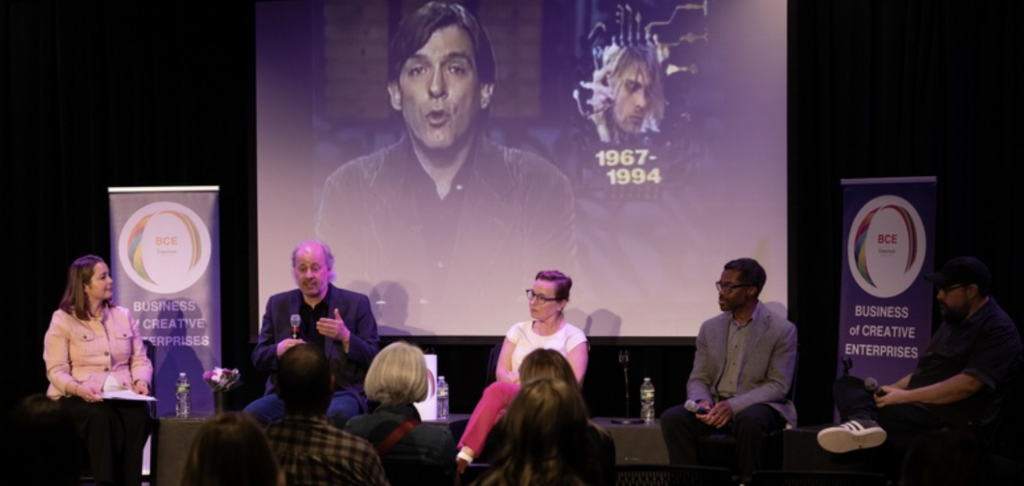
Technology will keep changing. But your creative identity shouldn’t.
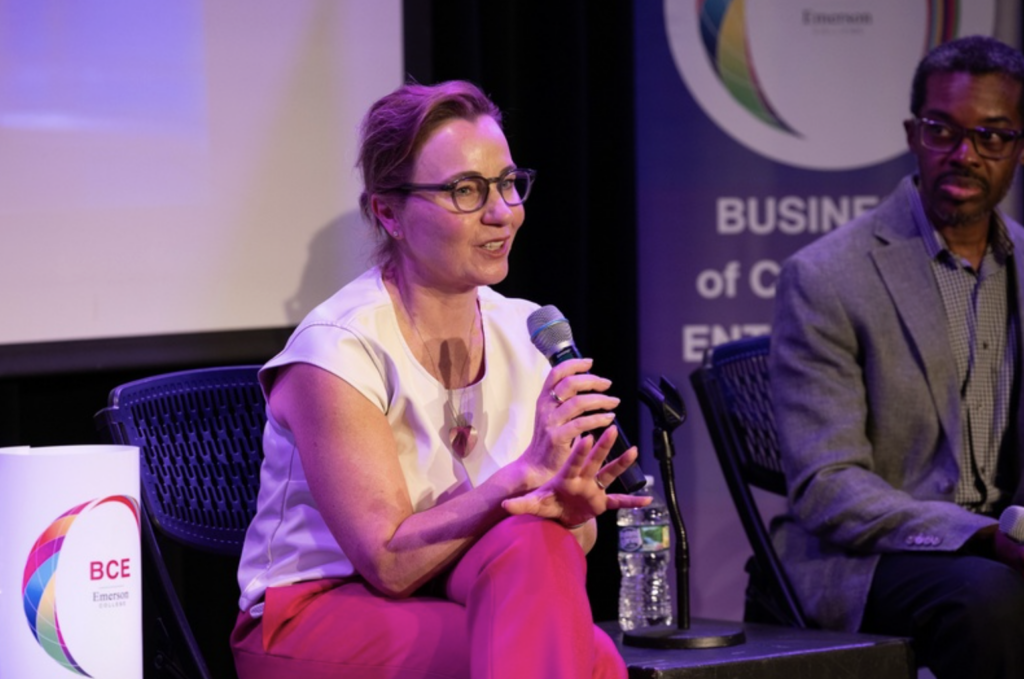
That message echoed throughout “The Intersection: Gen X Wisdom—How to Not Sell Out Your Creative Self,” a panel at Emerson College’s Business of Creative Enterprises (BCE) Showcase on April 16. As students prepare to enter industries rapidly transformed by AI and emerging technologies, panelists emphasized that originality, not optimization, will set them apart.
The discussion, held in the Little Building as part of BCE’s 10th anniversary celebration, featured alumni, faculty, and industry leaders who have navigated decades of technological change. Drawing from careers shaped by the rise of the internet and digital media, they offered practical advice on maintaining creative identity in an era increasingly defined by automation.
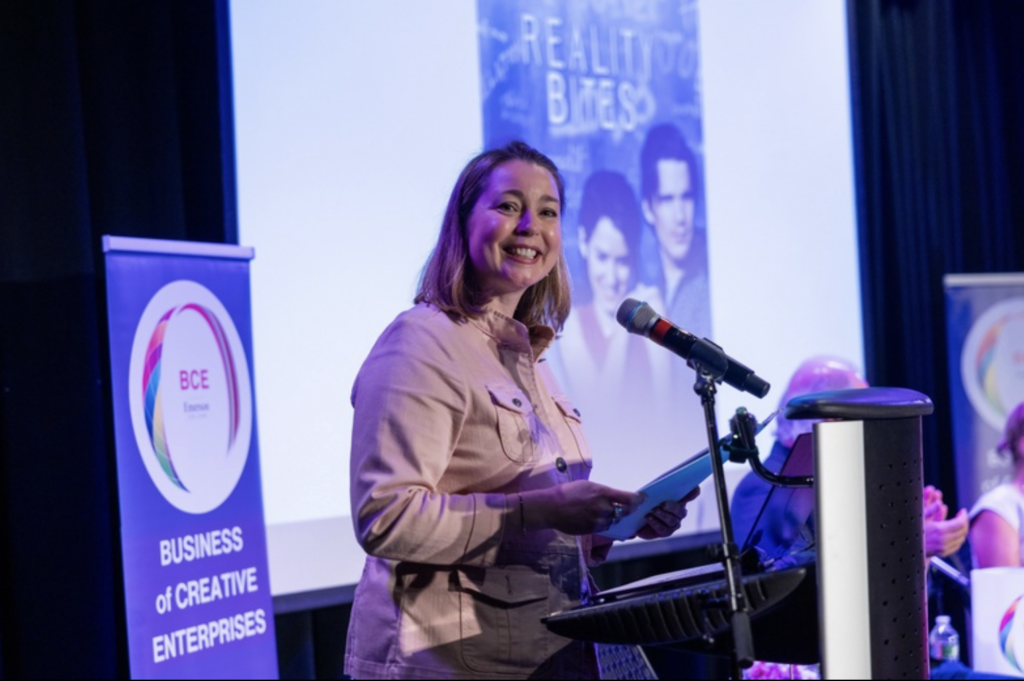
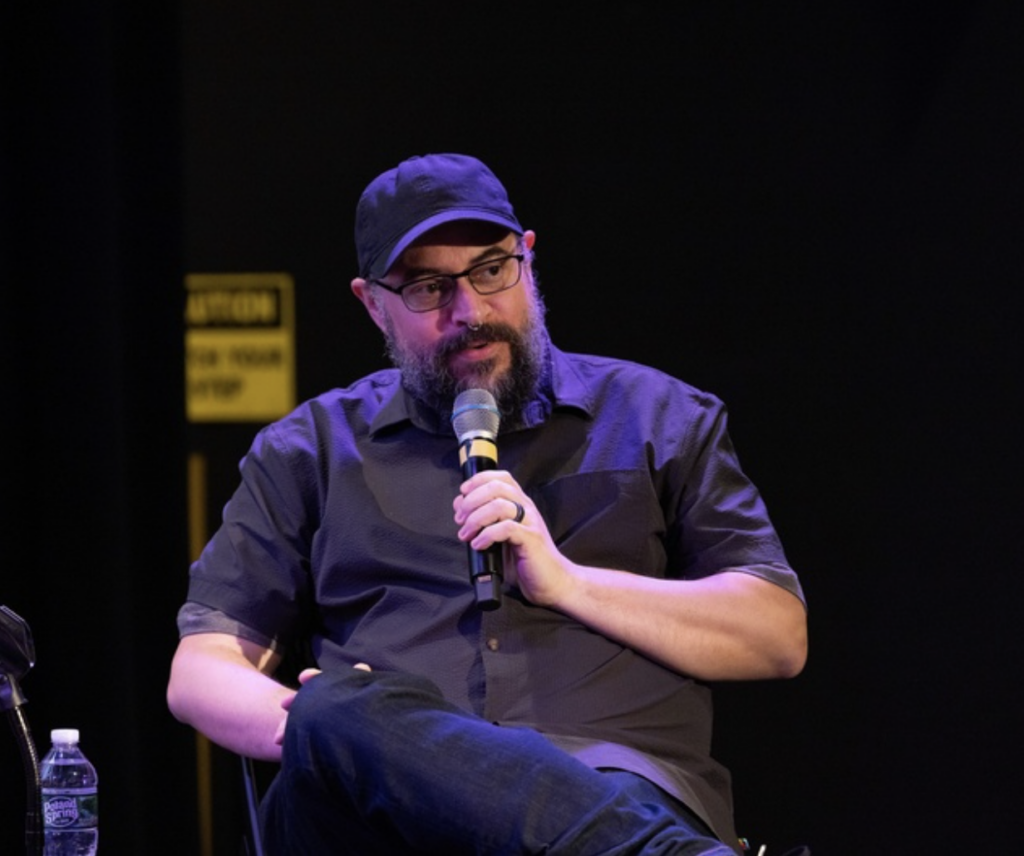
The Gen X panelists included: Dave Habeeb ’91, filmmaker and creative director at Harvard Business School; Nina Webb ’96, consultant, former music industry VP and Marketing Communication Affiliated Faculty; Michael Gilday ’99, creative innovation agent, digital and AI storyteller and CEO of Deep Vibe; and Emerson’s Associate Vice President for Executive Education Brent Smith. The panel was moderated by BCE Director Brenna McCormick, MA ’06.
The panel shared wisdom on how to retain one’s creative identity in a world of AI, automation and new technologies:
Be Authentic to Your Frame
Authenticity is crucial, panelists agreed.
“You need to be in your own frame, and your own system, because that is the system that won’t fail,” said Smith.
Smith explained that individuality and authenticity are paramount values for maintaining one’s creative identity. Approaching work within your own frame allows you to bring something unique and irreplaceable to everything you do.
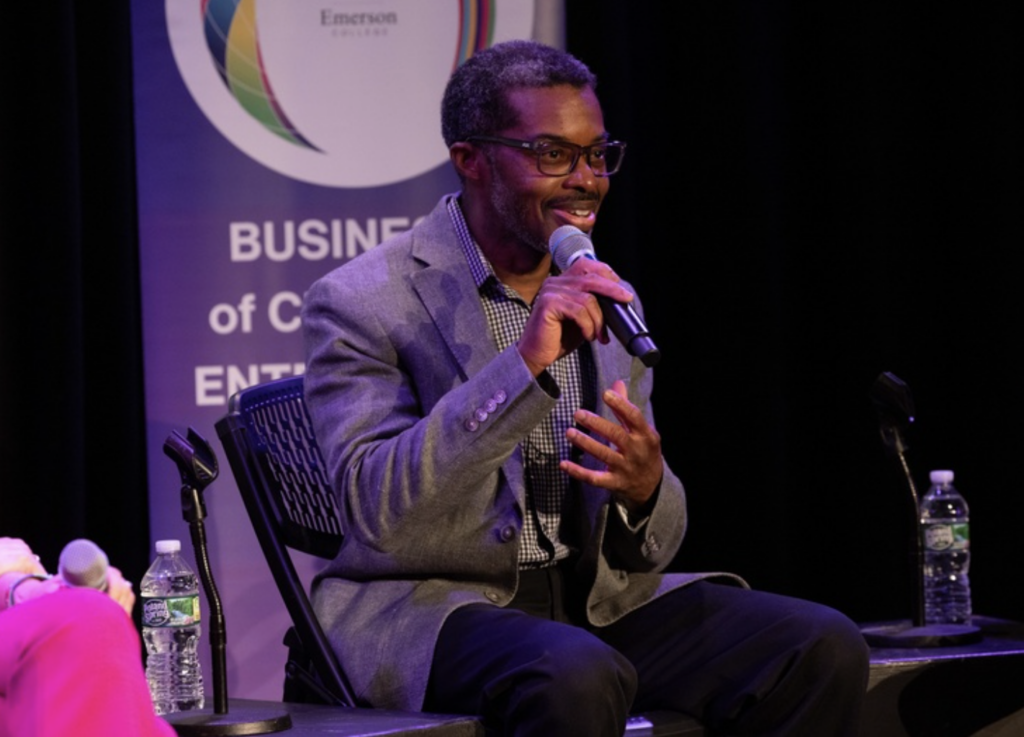
“Great creativity is not made, it’s discovered,” said Gilday. “Our individual experience and our own points of view [are] how we take the individual and transform it into the universal.”
Ground Yourself in Your Humanity
In the face of emerging technologies, it’s integral for new professionals to ground themselves in their humanity when approaching creative work.
“If I’m going to succeed in the digital world, it needs to be grounded in the analog, or dare I say, human world,” said Habeeb.
The panelists insisted that this human element is particularly important when it comes to artistic endeavors, because it allows creatives to introduce their own experiences, their own “frames,” into the work they produce.
“The arts, such as music, reflect a cultural investment we all make in our humanity,” said Smith.
Focus on the Process
When reflecting on their own creative work during the ’90s and beyond, the panelists remarked on the importance of the artistic process. They noted that valuing the artistic process has been replaced in favor of an obsession with results, which can lead creatives to “selling out.”
“What was important wasn’t the technology we used, but rather the process of creation, sometimes without the expectation of a successful outcome,” said Gilday.
Work Collectively
The panelists reminisced on the importance of collective thinking, teamwork and camaraderie when they entered the workforce. They reminded the audience of the importance of leaning on each other, and fostering a sense of community, in order to grow as a creative thinker.
“We prioritized being together as our agenda, instead of what we were going to do,” said Smith. “If I win, you’re also winning. The notion of ‘we’ is pervasive within our generation. I am because ‘we are.’”
Embrace Technology
The panelists advised looking at changes in technology and innovation as opportunities, instead of threats. They recognized how daunting new technology can seem, but insisted that embracing change and pushing forward is the best way to blossom as creative workers.
“My boss once told me: ‘Nina, Nina, Nina… if you keep promoting this internet thing, none of us will have jobs in the future,’” said Webb. “The level of denial about the internet in the music industry was crazy. I feel like we can learn a lot from that. Understand that there is room for many different elements of technology, and they aren’t always trying to replace each other.”
“Shifts in technology and social media have allowed creatives like us to create things that before might have been outright impossible,” said Habeeb. “These were tools that didn’t rob us of our individuality, they needed our input to create, and they enabled us to create.”
Panelists agreed: technology provides tools for creation. It is up to the creative workforce to embrace these tools with authenticity, humanity, and camaraderie in order to engage in work that is true to their creative selves.
“If we take time to interrogate our own value, we can find ways to use these tools, like AI, to turn the whole system upside down,” said Gilday.
Categories
