
Award-Winning Designer Echo Lu ’25 Brings Imagination to Life on Stage
For scenic designer Echo Lu ’25, theater is about connection—between ideas, collaborators, and audiences. That philosophy recently earned her national recognition, as she received both the Richard Hay Undergraduate Scene Design Award and the USITT Scene Design Award for her work on two Emerson Stage shows.
“I put a lot of time into Spelling Bee,” Lu said, of the musical that EmStage put on last fall. “[Winning the award was] a surprise—and a gift for me, the director, and the whole team working together.”
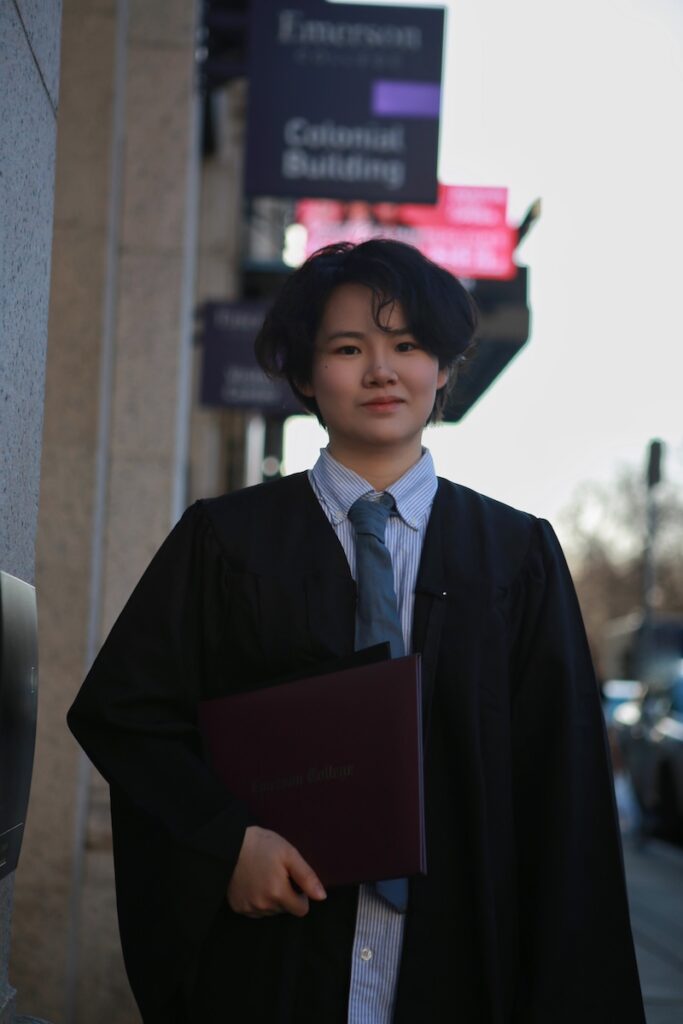
Lu, who graduated in December with a degree in Theatrical Design & Production, submitted two primary projects: The 25th Annual Putnam County Spelling Bee and Limber, A Love Story. Her application also included additional design materials and essays, including recommendations from faculty and collaborators. The award came with a $1,000 prize.
At the heart of Lu’s award-winning work is a deeply conceptual approach to design. For Spelling Bee, she developed a visual world inspired by the idea of a puzzle—one that reflects the individuality of each character.
“I feel every person, every child, has a different background, different race, and culture,” Lu said. “They’re like puzzle pieces. They come together to help each other—their weak and strong parts—and become a picture.”
Working alongside Performing Arts Assistant Professor and director Chris Shin, Lu expanded that concept into a dynamic scenic environment that blended puzzle imagery with the aesthetic of a pop-up book. The result was a visually striking set that shifted between two-dimensional and three-dimensional elements, using animation-inspired colors and water coloring to create texture.
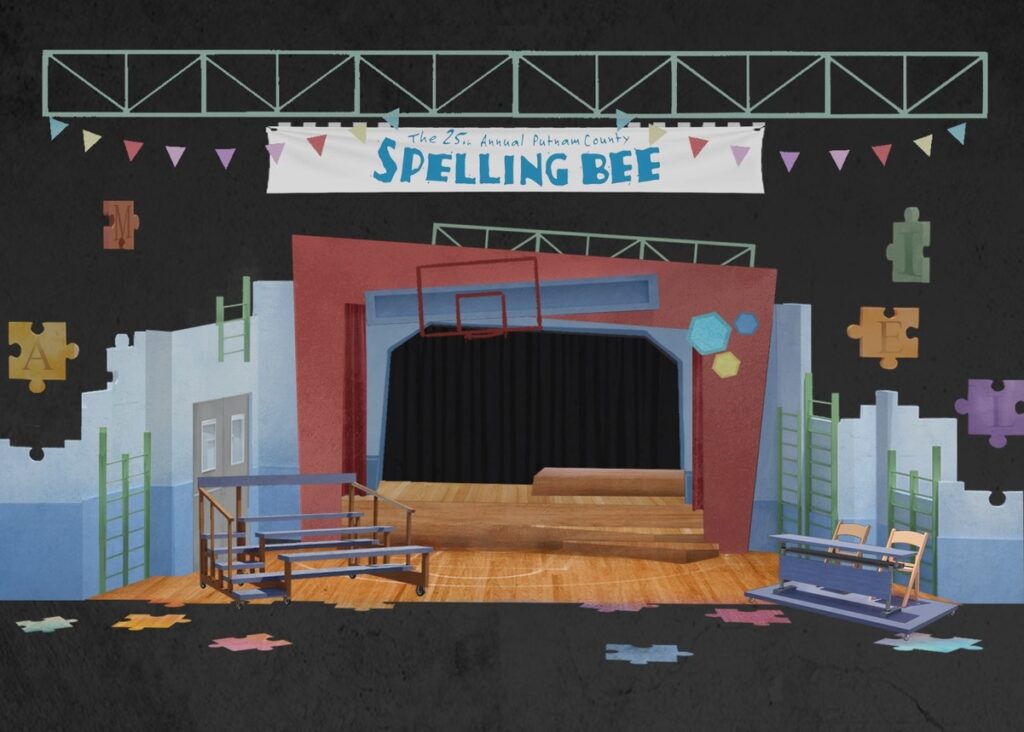
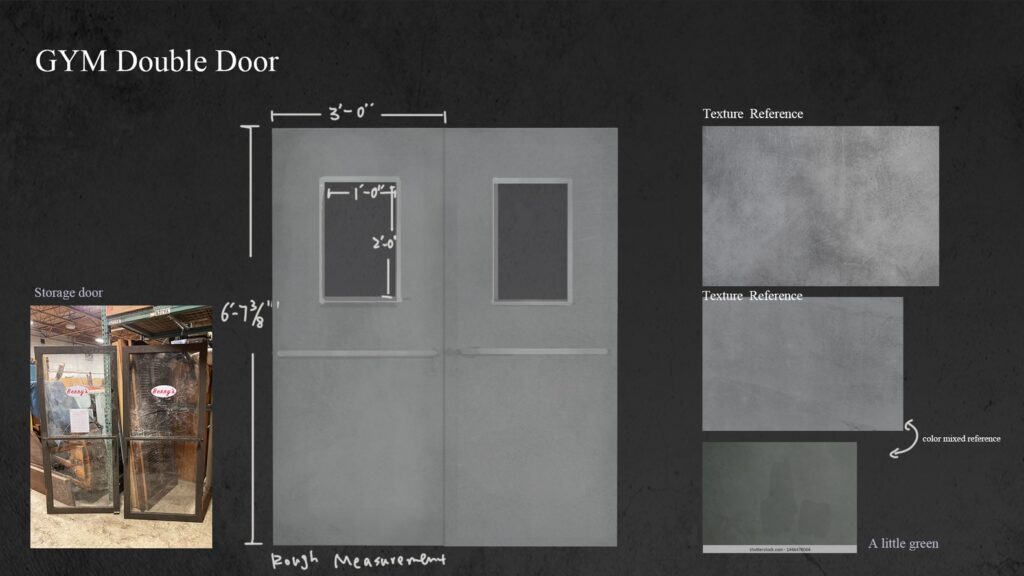
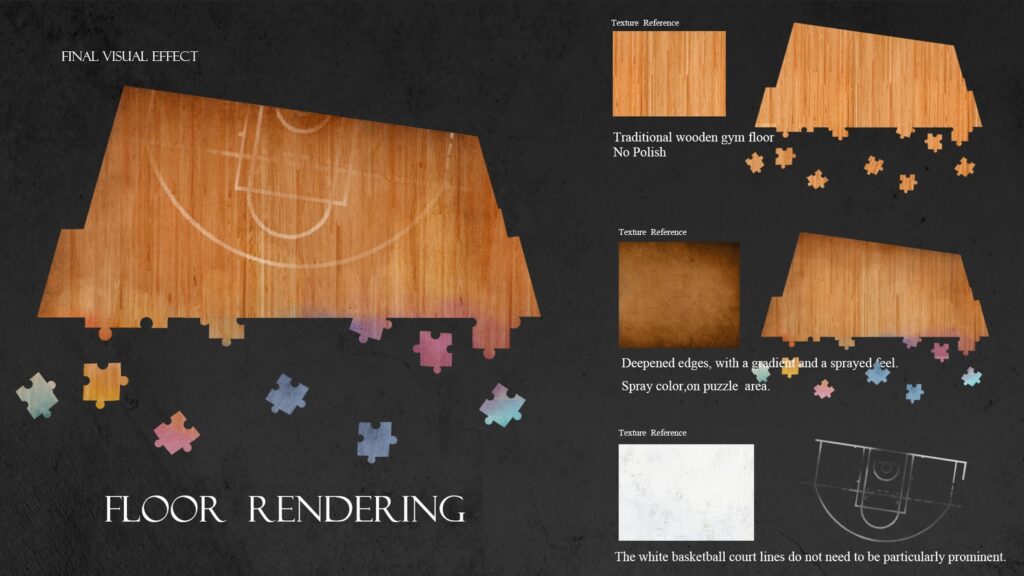
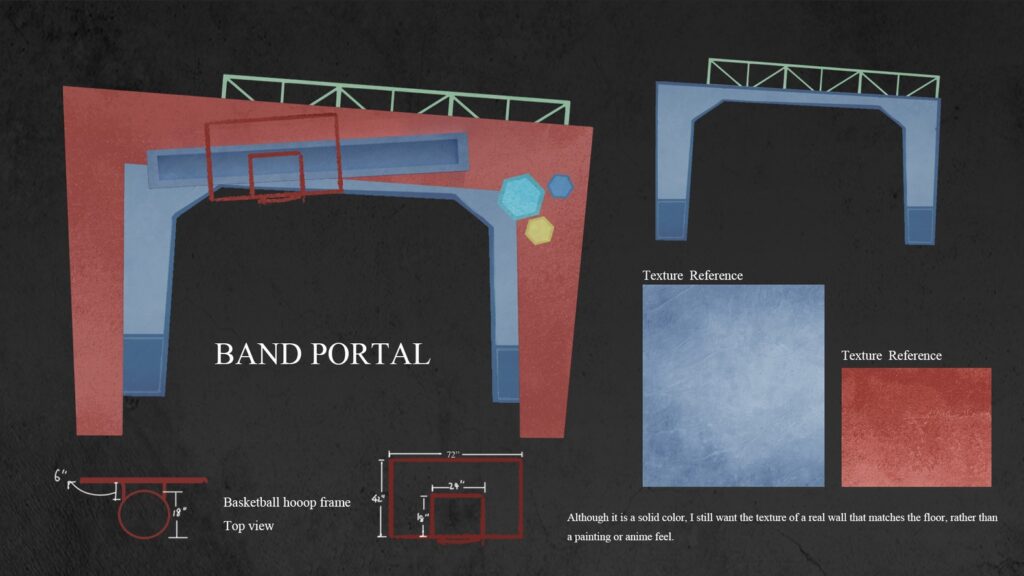
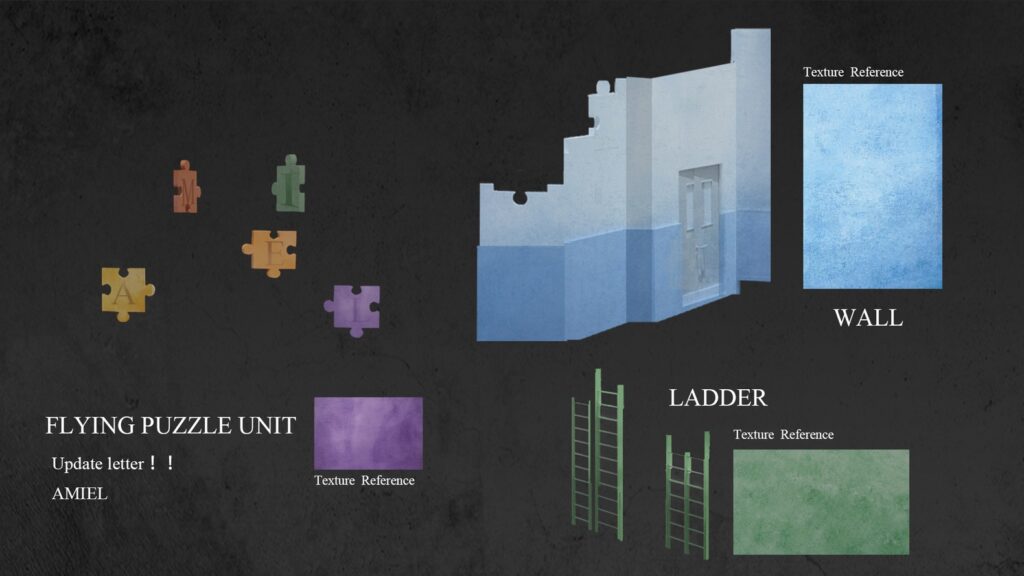
“It was such a collaborative experience,” said Shin. “Echo came in with a strong concept right off the bat. Over several months, we worked together to take her initial ideas and what I was thinking about the overall vision for the show, and her design really morphed.”
Shin praised Lu’s ability to balance collaboration with her own artistic creativity.
“Echo listens and takes feedback so well. But she never compromises her own artistry. If she has an idea, she will bring it forward and justify it beautifully. She takes bold risks, which I think is the hallmark of a great artist,” said Shin.
That balance is something Lu developed during her time at Emerson, where she worked on multiple productions through Emerson Stage. Ryan Bates, props director for Emerson Stage, collaborated with Lu on three shows and saw her growth firsthand from being a props artisan on The Miraculous Journey of Edward Tulane to scenic designer.
“Echo has an extremely mature sense of herself as an artist,” Bates said. “She has a very clear set of values and a vision for what kind of theatre she wants to make. She is highly dedicated and driven to being the best scenic designer she can be.”
He noted that her early experiences presented challenges that ultimately strengthened her collaborative skills.
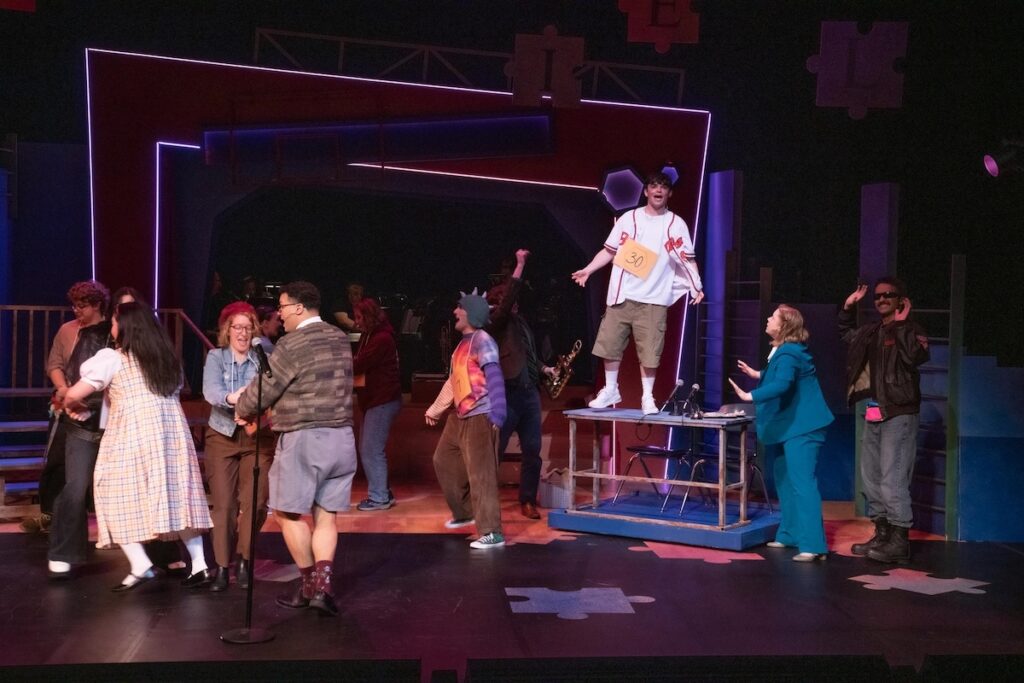
“By the time we got to Spelling Bee, it was so refreshing to watch Echo navigate a collaborative process with a much stronger sense of how to solve problems as a group, how to advocate for her ideas, and how to be flexible,” said Bates.
Lu credits Emerson’s combination of creative and technical training with helping her develop that confidence. Through coursework and hands-on experience in the scene shop, she gained skills in construction, drafting, and design—often working with limited budgets and recycled materials.
Equally important, she said, was the mentorship she received from faculty across the department including her mentor Bates, Shin, and Performing Arts Associate Professor Luciana Stecconi, and in the scene shop with Performing Arts Technical Director Kristin Knutson.
“I felt like someone was always standing behind me—supporting me and solving problems with me,” Lu said.
Since graduating, Lu has returned to China, where she is working as a freelance scenic designer. She has already worked on several large-scale productions, along with smaller theater projects and in film advertising.
Looking ahead, Lu said she hopes to continue exploring the intersection of design and technology, particularly in immersive theater.
“I really like immersive shows,” she said. “I want to focus on how visual arts can influence people.”
For current students, Lu emphasizes the importance of communication, persistence, and asking for help.
“Don’t give up your ideas,” she said. “And don’t feel ashamed to ask for help. You’ll have an amazing outcome.”
Categories
