Alum Wins Fellowship to Develop Sitcom Featuring Wheelchair User
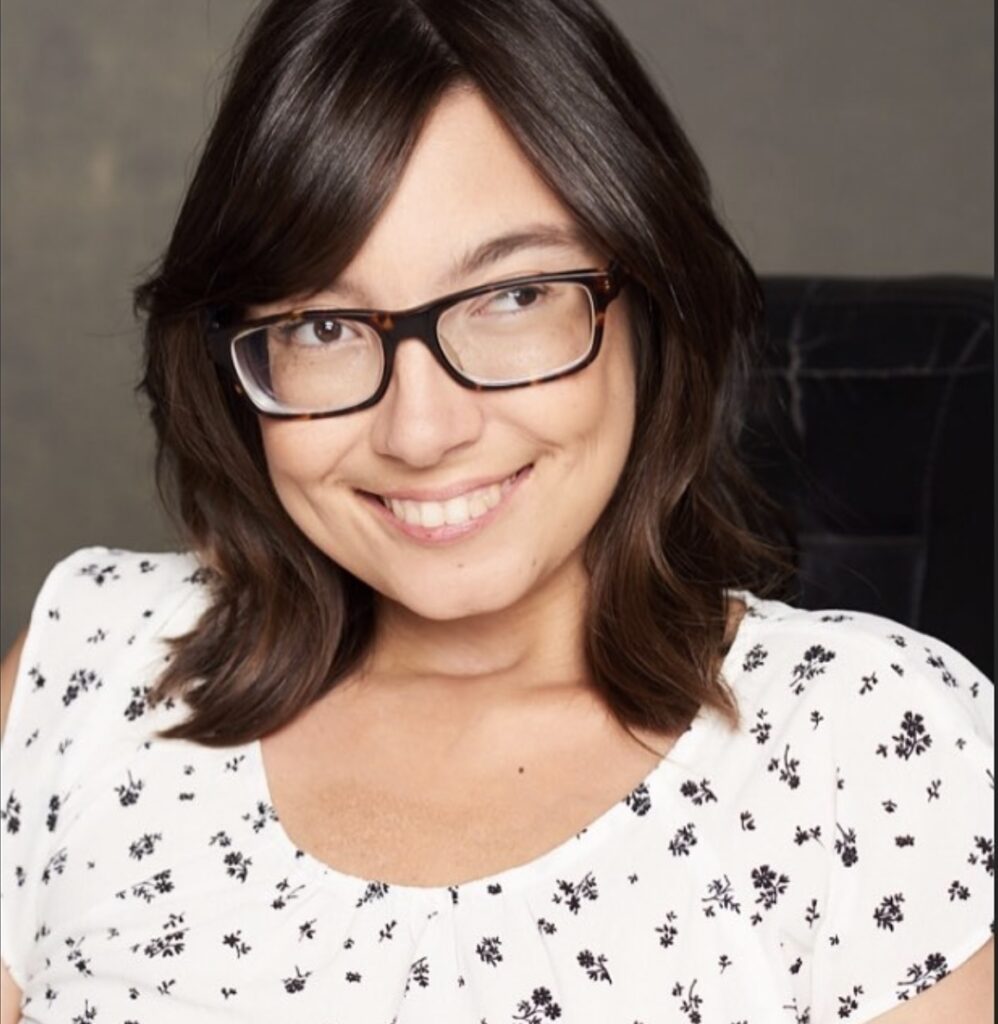
After graduating from Emerson in 2014 with a degree in Writing for Film and Television, Anna Thorup worked in support roles at DreamWorks Animation, Netflix, and on Apple TV+’s Best Food Forward before landing writing gigs on animated shows for Netflix, Nickelodeon, Apple, and PBS, and selling two half-hour pilots to ABC.
This summer, she was awarded an Accelerate Fellowship from the Inevitable Foundation, which invests in disabled writers and filmmakers, with the goal of destigmatizing disability and mental illness.
The Accelerate Fellowship, supported by Netflix’s Fund for Creative Equity, will provide Thorup with $40,000 to develop her latest project, a half-hour comedy called Codependents, about a “work-in-progress” wheelchair-user who has to pull her life together in order to help co-parent her recently divorced best friend’s baby.
Emerson Today asked Thorup about her career, her love of TV, and how far she thinks the industry has come in its depiction and hiring of people with disabilities.
Q&A with Anna Thorup ’14
How long have you been batting around the idea for Codependents?
It’s an idea that I came up with years ago. I wrote a version of it when I was about 24, and at that time, the pregnancy element was written as a false alarm. Now that I’m in my 30s and am starting to see friends settle down, I began to think about how those 20-something relationships change and evolve as we age. This past January, I found the draft I had written while organizing files on my computer and decided to revise it from my current point of view. It’s still early days, but I’m really excited to keep developing it during the fellowship.
You’ve sold two pilots to ABC. What were they about?
The first show I developed for ABC was called Looking Up, and it was a half-hour comedy about a wheelchair-using 20-something coming of age in New York. It was actually pretty heavily inspired by my Emerson days – navigating life in a city for the first time, being carried down basement steps into Allston parties, and having all of my friends within arm’s reach.
The second show was also a comedy that was focused on a mother and her adult daughter who are forced to get to know each other for the first time as they both go through some major life shifts. In a lot of ways, it’s still a coming-of-age story that explores what it means to ‘come of age’ both in your 30s and your 50s.
What made you want to write for television?
I was a real ‘indoor kid’ growing up. Because I was more physically limited, I spent a lot of time reading books and watching TV and movies. TV, in particular, was such a comfort. There’s absolutely nothing like growing alongside your favorite characters for years at a time. Despite my love for TV, it wasn’t until I met a family friend who worked as a writer that I started to realize it was an actual job that I could train for. Once I started to dig into it, I never wanted to do anything else.
How’s the entertainment industry doing in terms of representation and/or opportunity for people with disabilities?
I think it’s getting better, but we still have quite a ways to go. Growing up, the only form of disability representation I saw onscreen were stories of either tragedy, or ones told where the disabled characters existed solely to inspire the non-disabled characters to grow. Ninety-nine percent of the time, these projects were written by non-disabled writers.
Though representation has gotten better and the disabled writing community has become more active in the industry, there is still a relatively small number of notable disabled upper- level writers and showrunners in powerful positions. With that said, I’m increasingly optimistic as I continue to meet more and more incredible disabled writers who are making their way in the industry and are excited to tell their own stories.
How has Emerson prepared you for your career in TV writing?
Emerson offered such a robust education on both the craft of TV writing and landscape of the industry. When I got to LA, I felt grateful that I had such a solid foundation that I was able to build upon, and didn’t feel as though I was starting from scratch.
The Emerson community is also so vast and loyal. I’ve been lucky enough to work with an Emersonian in almost every job I’ve had.
What are your favorite shows? What writers’ room would you love to be in?
I always joke that the mid-2000s NBC primetime lineup acted as a third parent to me as a kid (Sorry, Mom and Dad). While there are so many amazing things on the air now, I would love to go back in time and get to work on the shows that ‘raised me’ (i.e., Will & Grace, Parks & Recreation, 30 Rock, etc.)
What does the Accelerate Fellowship mean for you?
I’m very grateful an organization like Inevitable exists and that they have been so thoughtful in crafting a fellowship designed to specifically lessen the oversized financial burden so often felt by disabled people. I
am also incredibly inspired by my cohorts and excited to continue expanding my community of disabled TV and filmmakers. Being granted this fellowship means that I have more flexibility over the next year to focus on writing without as much stress on financial obligations, which is truly such a gift.
Categories
