
CSD Grad Students Training in Hearing Rehab – with Emerson Clients
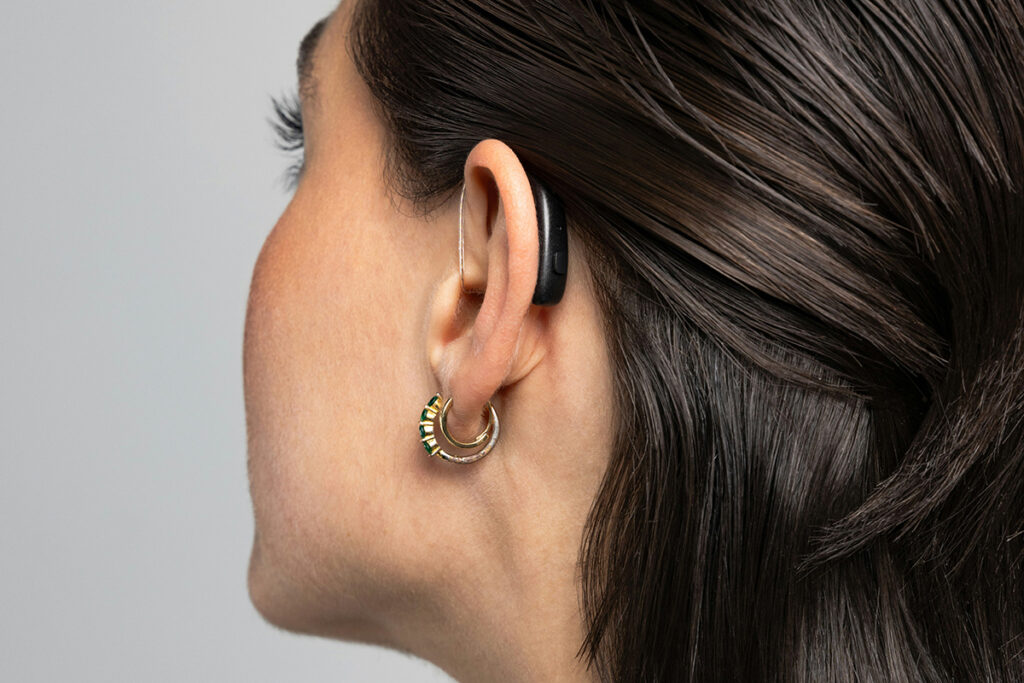
A new clinic at Emerson College is giving graduate students real-world experience, and faculty and staff free support for hearing loss or changes.
Through the Robbins Speech Language and Hearing Center, the free aural rehabilitation clinic will provide grad students an opportunity to work with faculty or staff as a client, counseling them on hearing devices and assistive listening technologies, community and online resources, and communication strategies. As part of the clinic, clients will journal about the challenges they face every week and what was effective, what they tried, and how to optimize listening.
“We start with getting them to think about their environment – what they need, what their partners need, or when they are with different people. It’s learning how to optimize their hearing strategies,” said Senior Scholar-in-Residence Maryam Salehomoum, the supervising clinician for the clinic.
The clinic will be in a 1:1 setting and meet once a week with a Communication Sciences & Disorders graduate student and a faculty member starting October 16. If interested, please email robbins_center@emerson.edu by Tuesday, September 30. A preliminary interview will be scheduled for late September or early October.
The clinic is specifically for people with adult-onset, or sensorineural, hearing loss, which is is due to aging and is permanent.
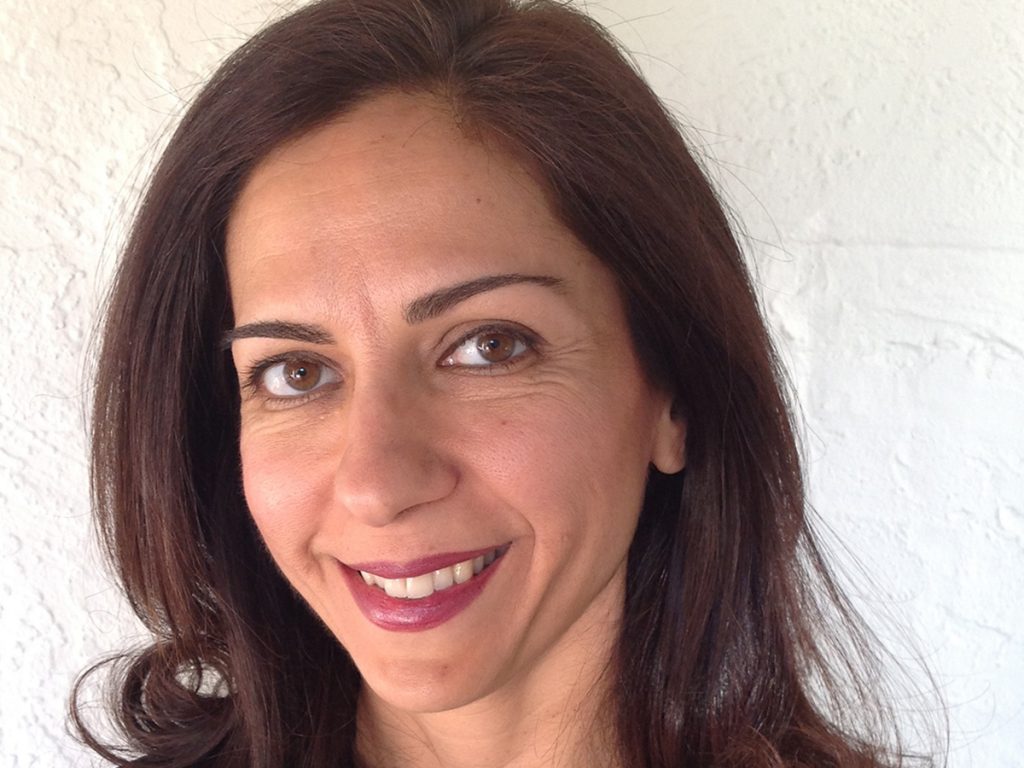
Clients will work with grad students to learn communication strategies as they discuss their day-to-day life and routines.
Strategies will depend upon the communication situation. It might involve changing lighting to better see a conversation partner, sitting close to the primary speaker, or taking any available control of background and ambient noises.
Salehomoum said it’s common for people, particularly those new to using hearing devices, to struggle with noise in restaurants.
“We always talk about restaurants with students in class. We talk about taking agency, being proactive, and [if possible] choosing a quieter restaurant,” said Salehomoum. “Or choosing a place in the restaurant that is quieter, like not next to the bar or some[where] else that’s really loud.”
Salehomoum said being able to see the face and body of the person speaking is important to people with hearing loss. It’s also helpful, if possible, to ask for content ahead of time.
“That’s a big one with students who are deaf or hard of hearing. Videos, handouts, slides – then you can preview and already know the content coming up in the meeting, lecture, or conference.”
With Salehomoum’s supervision, students will meet with the clients once a week for an hour through December 4 to discuss what worked and didn’t work during the previous week from their last meeting. Those sessions could be very significant, said Salehomoum.
Most adults with hearing loss may obtain hearing aids, but rarely receive the kind of auditory training that helps them get the most out of the devices, she said.
“They listen through the device the first week or months, and everything sounds robotic,” Salehomoum said. “Through systematic training [at the clinic] they can learn to listen through the implants much better than just being given the device and saying, ‘Good luck to you.’”
Categories
